Amsterdam to Bruges by Bike and Boat Through Holland and Flanders
- Activity level :
- Accommodation : Superior, Premium
- Period : April to October
- Length of stay : 8 days
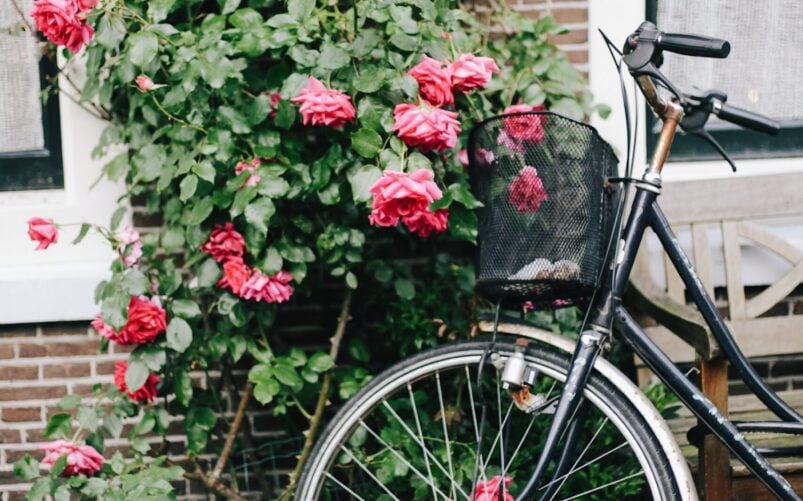
Belgium, and particularly Flanders, is one of Europe’s most enjoyable destinations for a cycling trip. The terrain is almost entirely flat, and the cycling network is dense, well signposted, and safe. The itineraries mainly use paved bike paths, paths along canals, and quiet secondary roads. Smooth and steady riding, through open landscapes where water, sky and broad agricultural plains set the rhythm.
By bike, pass through a region shaped by rivers and polders, punctuated by quiet villages and historic cities among the most remarkable in northern Europe. Bruges, with its UNESCO-listed medieval center, Ghent and its lively quays, Antwerp and its port heritage, and Brussels with its Grand Place, offer stages rich in culture, architecture and lifestyle. Between two cities, the routes follow the Scheldt, the Lys, or the many canals that structure the territory.
All our cycling trips in Belgium also extend into the Netherlands, a natural continuity because the two territories share the same cycling culture. The route linking Amsterdam to Bruges begins in the heart of Dutch canals before crossing polders, historic cities, canals and harbour villages in an environment especially favourable to cycle touring. Over the stages, the Netherlands gradually gives way to Belgian Flanders, where art cities, canals and medieval heritage culminate with the arrival in Bruges, one of the most beautiful historic cities in northern Europe.
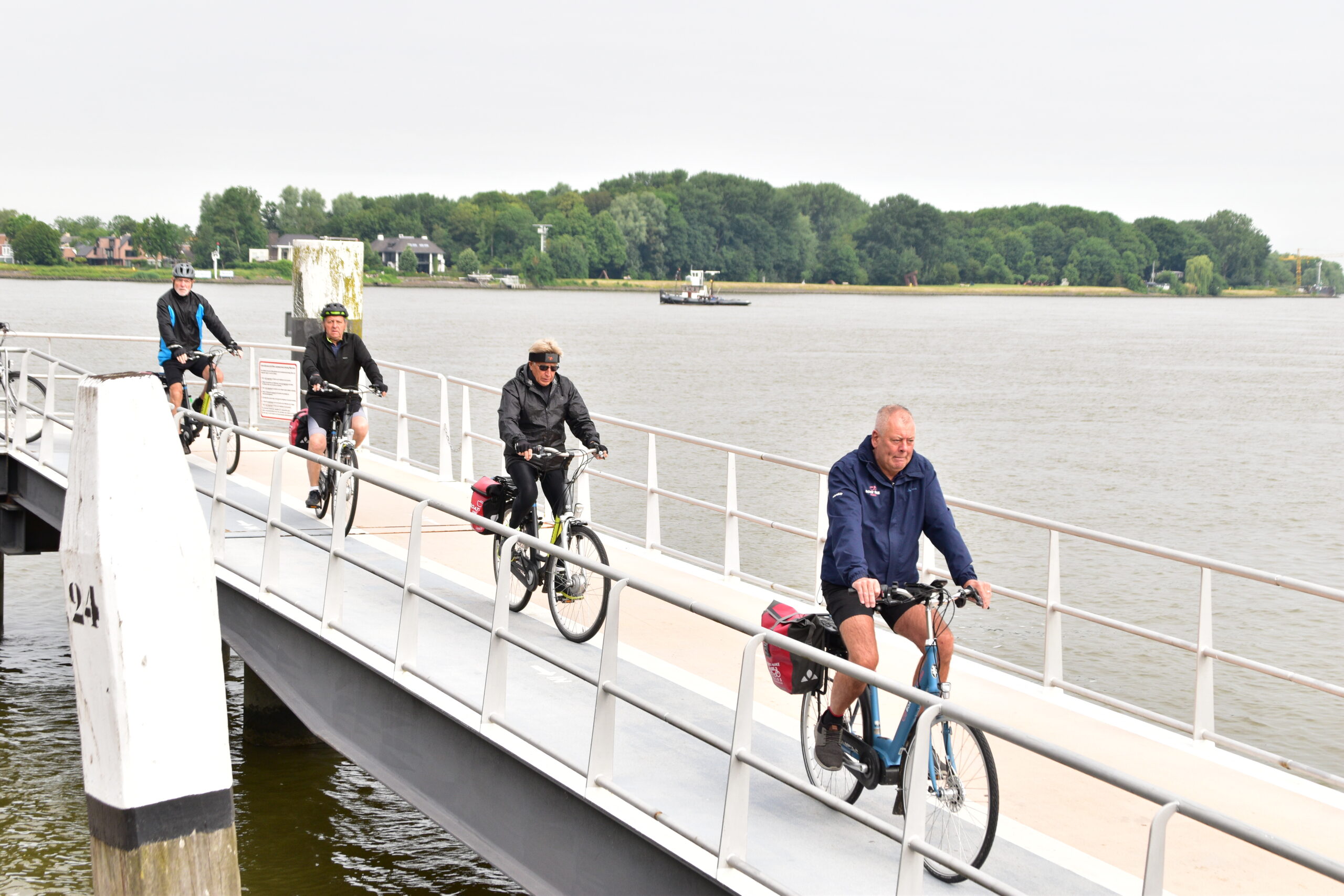
The bike & boat trip type fits naturally into this environment where water is omnipresent, allowing you to ride during the day while returning each evening to the comfort of accommodation on board. Self-guided, the bike & boat cruise from Bruges to Amsterdam, also available in the reverse direction, allows you to discover the landscapes, heritage and local life at your own pace, in an environment where cycling is naturally part of everyday life. In a group, the bike & boat cruise from Bruges to Amsterdam, also available in the reverse direction, is enriched by the experience of an Ekilib guide and a local guide present throughout the stay.
Belgium is one of Europe’s most enjoyable destinations for cycle touring. The country has a vast network of bike paths, greenways, and well-maintained secondary roads. The node-point system (knooppunten) makes it easy to follow an itinerary thanks to clear and uniform signage.
The Belgian climate is generally mild but changeable. It is advisable to bring layered clothing and a light waterproof jacket, even in summer. Showers often pass and do not prevent you from fully enjoying the route. Debit and credit cards are widely accepted throughout the country. However, it is useful to have a few euros on hand for small shops or certain stops in rural areas.
The Belgian rail network is an excellent complement to cycling travel. SNCB trains accept bicycles on most lines with the purchase of a bike ticket. This flexibility makes it easy to reach the starting point of a route, shorten a stage, or explore different regions of the country without using a car. During high season, it is advisable to check transport conditions before departure.
The best time for a cycling trip in Belgium is generally from April to October. During these months, temperatures are pleasant for cycling and the days are long enough to fully enjoy each stage of your journey.
From April to June, the landscapes burst into colour. The Flemish countryside is particularly enjoyable to explore, with mild temperatures and relatively few visitors. It’s an excellent time to discover historic cities such as Bruges, Ghent, and Antwerp by bike.
From July to August, conditions are generally ideal for cycle touring. Temperatures remain comfortable, rarely becoming excessively hot, and towns, villages, and the Belgian coast come alive with activity. This is the perfect time to combine cultural discoveries, local cuisine, and cycling along the canals.
September and October are popular with many cyclists thanks to the often mild weather and quieter roads. Autumn colours add a special charm to cycling routes, particularly in rural areas and along waterways.
Thanks to its generally flat terrain and temperate climate, Belgium is well suited to cycle touring for much of the year. Whether you travel in spring, summer, or autumn, you’ll enjoy excellent cycling infrastructure and ideal conditions for exploring the country at your own pace.
Belgium is a particularly accessible destination for cycle touring. Most routes follow dedicated bike paths, greenways, towpaths, and quiet secondary roads. The terrain is generally flat to gently rolling, especially in Flanders and along the canals, making many itineraries suitable for both occasional cyclists and more experienced riders.
Some routes may include slightly hillier sections, particularly in certain areas of southern Belgium.
Regular cycling and a good overall level of fitness are enough to fully enjoy most cycling tours in Belgium. For added comfort, an electric bike is also an excellent option, allowing you to discover Belgium’s landscapes and heritage at your own pace.
This cycling route follows the Belgian coastline along part of the famous EuroVelo 12. It offers the opportunity to ride between dunes, beaches, and seaside resorts while enjoying the maritime atmosphere of the Belgian coast.
Level: Easy to Intermediate
Best Season: May to September
Highlights: The dunes of De Panne and the beaches of the Belgian coast
The routes linking Bruges, Ghent, Antwerp, and the Netherlands are among the most popular in the country. Following historic canals and waterways, cyclists travel through peaceful landscapes dotted with villages, locks, and cities rich in architectural heritage.
Level: Easy
Best Season: April to October
Highlights: Bruges, Ghent, and the towpaths lining the canals
The Scheldt River provides an excellent route for discovering part of Belgium by bike. Dedicated cycling paths follow the river through diverse landscapes combining nature, industrial heritage, and historic city centres.
Level: Easy to Intermediate
Best Season: May to October
Highlights: Antwerp and the river landscapes of the Scheldt Valley
The Meuse Cycle Route follows one of Europe’s great rivers through Wallonia. The route connects towns such as Dinant, Namur, and Liège, using greenways, towpaths, and pleasant secondary roads. With its citadels, limestone cliffs, and riverside villages, it offers an excellent combination of heritage, nature, and cycling.
Level: Easy to Intermediat
Best Season: April to October
Highlights: Dinant, the Citadel of Namur, and the Meuse Valley
Belgium’s famous cycle junction network (knooppunten) is one of the country’s greatest strengths, particularly in Flanders. Every intersection is identified by a number, allowing cyclists to create their own route simply by following a sequence of numbered junctions. Thanks to clear signage and thousands of kilometres of cycling infrastructure, this system provides a simple and flexible way to explore Belgium by bike.
Level: All Levels
Best Season: April to October
Many cycling tours in Belgium naturally continue into the Netherlands. The route between Bruges and Amsterdam is undoubtedly the most iconic, combining historic cities, canals, polders, and some of the world’s finest cycling infrastructure.
Level: Easy to Intermediate
Best Season: April to September
Highlights: Bruges, Kinderdijk, and the Dutch polder landscapes
Despite its modest size, Belgium offers remarkable diversity for cycle touring. From peaceful canals and historic cities to river valleys and green countryside, several regions stand out as particularly rewarding cycling destinations.
This is undoubtedly Belgium’s most popular cycling region. Routes are plentiful, well signposted, and generally flat. By bike, it is easy to travel between Bruges, Ghent, Antwerp, and Mechelen, following canals, polders, and charming Flemish villages.
In the heart of Wallonia, the Meuse Valley offers a very different setting, characterized by cliffs, citadels, and river landscapes. Dinant, Namur, and Liège make excellent stops for combining cultural heritage with cycling exploration.
The Ardennes appeal to cyclists looking for more challenging routes and wide-open natural landscapes. Forests, deep valleys, stone-built villages, and quiet roads create a playground that is highly appreciated by active travellers.
This preserved region is crossed by the famous Vennbahn, one of Europe’s most beautiful cycling routes. Heathlands, forests, and high plateaus offer a wilder experience than elsewhere in Belgium.
With its long beaches, dunes, and dedicated cycling paths, Belgium’s coastline is an ideal destination for an accessible cycling holiday. The stages between De Panne, Ostend, and Knokke reveal another side of Belgium, shaped by the sea.
Cycling plays an important role in daily life in Belgium, particularly in Flanders, where bicycles are used both for commuting and leisure. This strong cycling culture is reflected in an extensive network of dedicated bike paths, efficient signage, and infrastructure designed to make cycling easy and enjoyable.
Belgium is also deeply connected to the history of cycling. Legendary races such as the Tour of Flanders are part of the nation’s heritage and help sustain a genuine passion for cycling across generations.
For cycle tourists, this cycling culture creates especially favourable travel conditions: motorists who are accustomed to sharing the road with cyclists, numerous cyclist-friendly services, and a wide variety of routes that allow travellers to discover historic cities, canals, the North Sea coast, and the rolling landscapes of Wallonia.
Cycling in Belgium means travelling through a country where the bicycle is a natural part of everyday life and the landscape itself.



Want to go farther? Discover our other cycling trips, from the Danube to the coasts of Portugal, on itineraries chosen for the pleasure of riding.